Indonesia
 English
Solar Energy
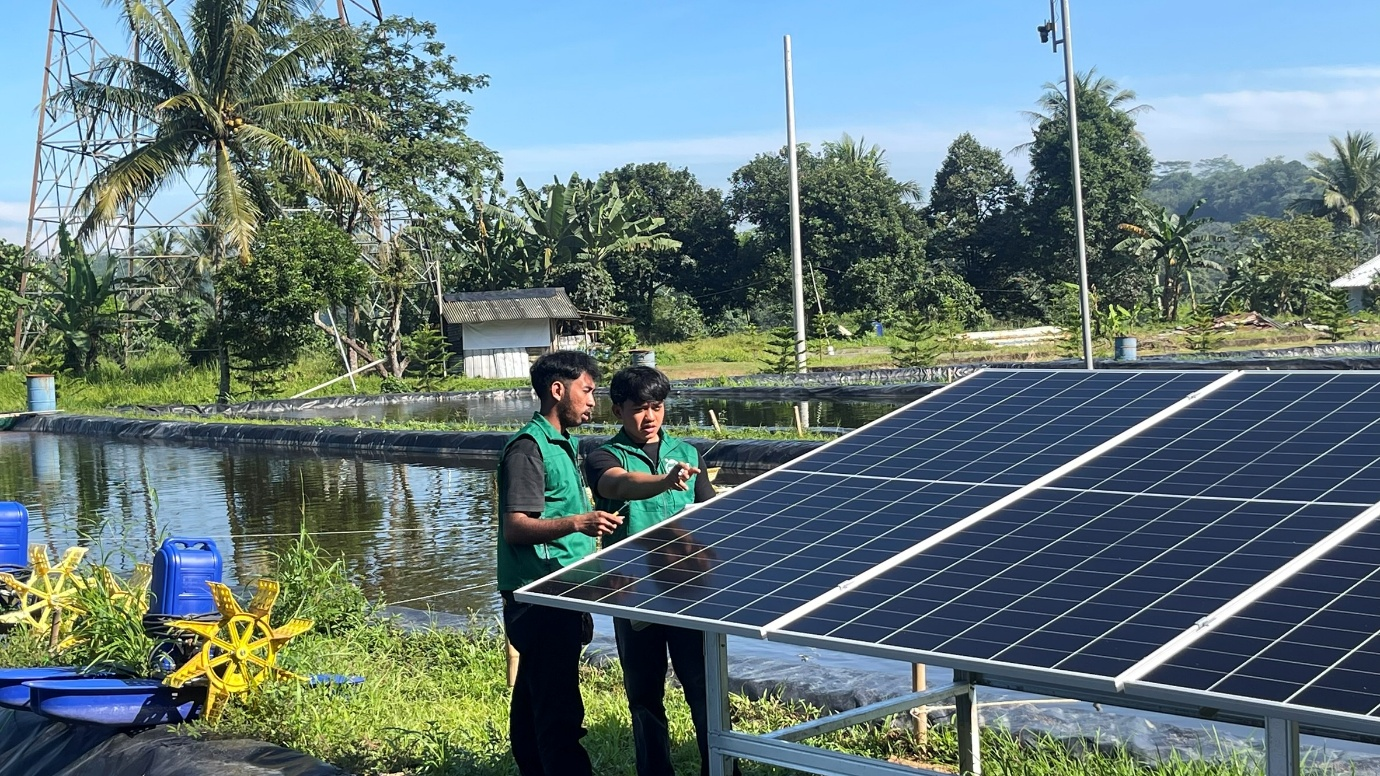
A pilot project integrating solar power technology with wastewater treatment systems has been successfully implemented at a tilapia fish farm in Bogor Regency, Indonesia. The initiative was developed to improve wastewater management efficiency while reducing operational energy costs and promoting sustainable aquaculture practices.
Tilapia farming generates wastewater containing organic matter, suspended solids, and excess nutrients originating from fish feed and metabolic waste. If not properly managed, these pollutants can negatively affect water quality, fish health, and surrounding ecosystems. To address these challenges, an integrated treatment system was installed to process wastewater before it is discharged or reused within the farming operation.
A key feature of the project is the incorporation of solar photovoltaic (PV) panels that provide renewable energy to power pumps, aeration systems, monitoring equipment, and other treatment components. By utilizing solar energy, the facility significantly reduces its dependence on conventional electricity sources while lowering greenhouse gas emissions and operational expenses.
The wastewater treatment system combines biological treatment, filtration, and water recirculation processes to improve water quality and support a healthier aquaculture environment. The use of solar energy ensures continuous operation of critical treatment units, particularly during daylight hours, enhancing overall system reliability and efficiency.
In addition to improving environmental performance, the project demonstrates how renewable energy can be integrated into aquaculture operations to create a more resilient and cost-effective production model. The treated water can be reused within the farm, reducing freshwater consumption and supporting more sustainable resource management practices.
This initiative highlights the potential of combining clean energy and wastewater treatment technologies to strengthen the sustainability of Indonesia’s aquaculture sector. By embracing innovation and resource efficiency, the project contributes to improved environmental stewardship, increased operational productivity, and the long-term development of climate-smart aquaculture systems.